
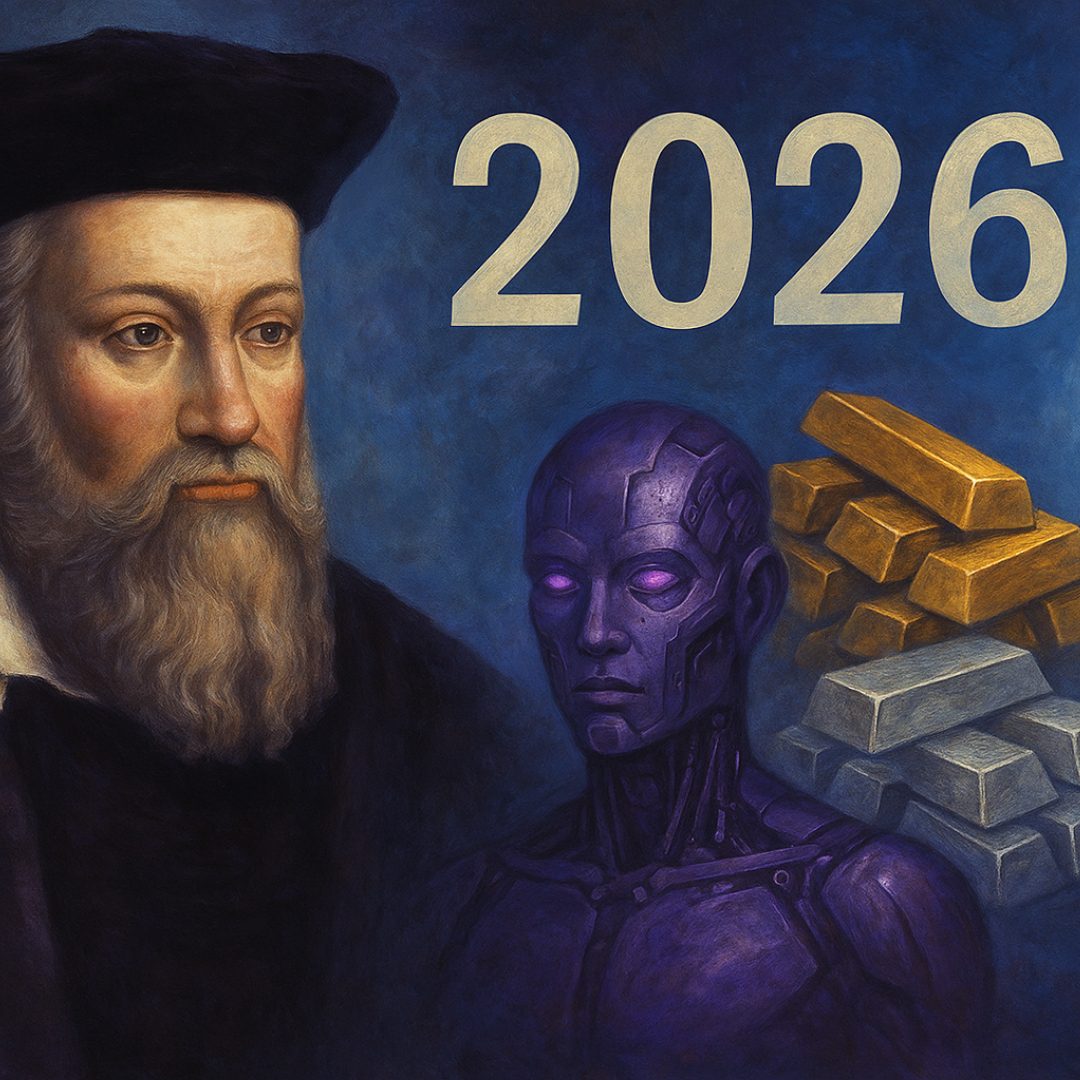
Every so often, humanity gazes backward to glimpse what lies ahead — and few names echo through that strange corridor of time quite like Nostradamus. The 16th-century mystic, physician, and astrologer left behind hundreds of enigmatic quatrains that continue to puzzle, fascinate, and — occasionally — terrify generations.
His words, dripping with symbolism and cryptic poetry, have been linked to revolutions, natural disasters, and even the rise and fall of empires.
Now, as 2026 looms, Nostradamus’ verses once again draw attention. Some see in his prophecies a reflection of the present world’s turmoil — political chaos, environmental instability, spiritual exhaustion. Others dismiss it as coincidence, the human tendency to find meaning in the fog. Yet, the patterns are there, woven through astrology, symbolism, and the curious rhythm of history repeating itself.
Was Nostradamus merely a poetic chronicler of human folly, or did he truly perceive the tides of destiny? Whatever the truth, 2026 seems destined to be remembered. Not for an apocalypse carved in fire and ruin, but perhaps for something subtler — a reconfiguration of the human story.
As Nostradamus once implied, “In the ashes of empires, the stars whisper of renewal.”
Who Was Nostradamus, Really?
Michel de Nostredame, better known as Nostradamus, was a French apothecary, astrologer, and visionary born in 1503. He lived during one of Europe’s most tumultuous eras — plagued (literally) by disease, political corruption, and religious extremism.
Amidst chaos, Nostradamus found purpose in the patterns of the cosmos. He believed that the alignment of celestial bodies reflected the unfolding of earthly events — not through superstition, but through a cosmic mirror of cause and effect.
His most famous work, Les Prophéties (1555), contains over 900 quatrains written in a peculiar blend of French, Latin, and Greek. These verses have been credited — sometimes generously — with predicting major world events such as the Great Fire of London, the French Revolution, the rise of Hitler, and even the 9/11 attacks.
But the brilliance of Nostradamus lies in his deliberate ambiguity. His words are like mirrors: they reveal as much about the reader as about the future. This is why each era finds itself reflected in his prophecies — for better or worse.
As we move toward 2026, his verses resonate again. Whether coincidence or cosmic synchronicity, many of his astrological references align eerily with global trends: political upheaval, technological dominance, and the rebirth of spiritual awareness.
“The stars incline; they do not compel.” — Nostradamus
The Language of the Stars: How Nostradamus Predicted Through Astrology
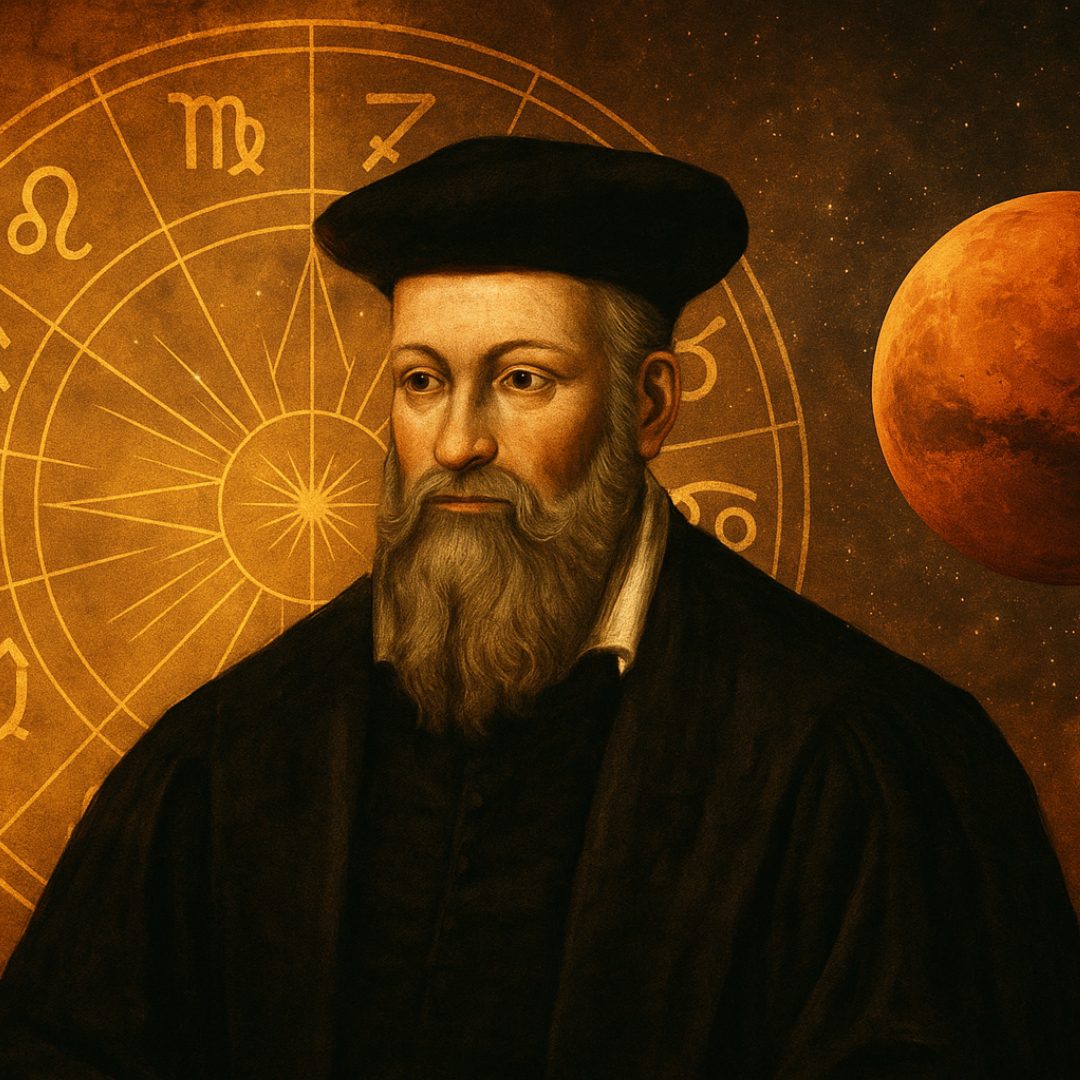
To understand Nostradamus’ prophecies for 2026, one must first understand his language — astrology. He believed celestial movements shaped the moral and physical climate of humanity. Each planet symbolized a principle: Mars, war; Venus, love; Saturn, restriction; Jupiter, expansion. When these forces aligned in certain ways, they heralded ages of growth or collapse.
Astrology was not superstition for him — it was a science of patterns. Mars in ascendance meant conflict, yes, but also transformation. Venus in decline meant the weakening of empathy but perhaps the strengthening of logic. Every planetary motion was a whisper from the cosmos, urging humanity to evolve.
In 2026, Mars, Venus, and Saturn will all occupy critical positions — a cosmic triangle symbolizing conflict, disconnection, and rebuilding. Nostradamus’ writings mirror this alignment perfectly, predicting “three fires from the East” and “the West losing its light in silence.”
Whether these metaphors refer to war, technological domination, or the fading of Western influence, one thing is certain: Nostradamus foresaw not destruction, but rebalancing — a necessary correction to centuries of imbalance.
In a world driven by artificial intelligence, power struggles, and emotional burnout, his celestial warnings seem almost prophetic.
The Seven Predictions of Nostradamus for 2026
1. Mars Rules the Sky: The Planet of War and Reckoning
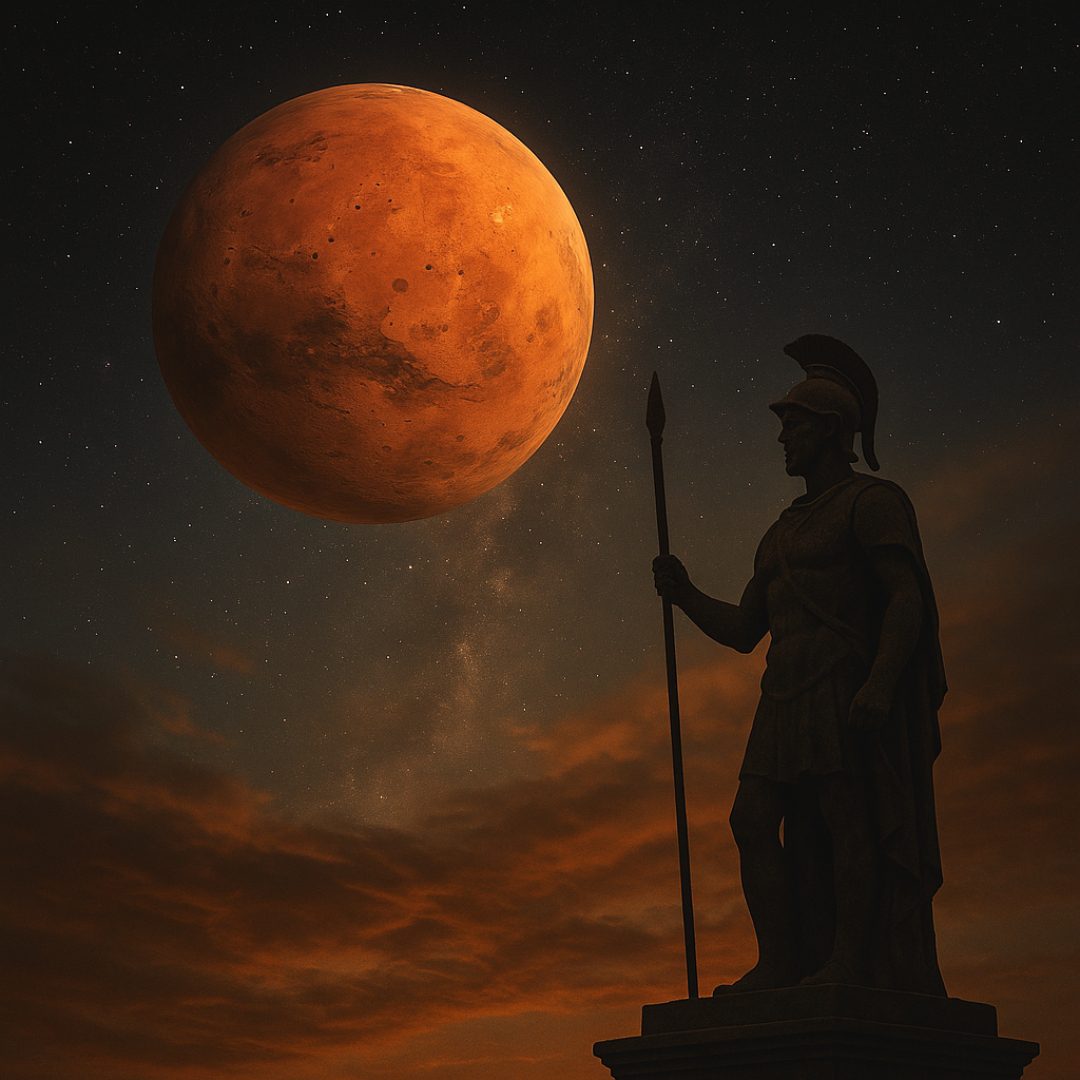
“When Mars rules his path among the stars, human blood will sprinkle the sanctuary.”
This chilling verse paints a world at odds with itself. Mars — the red planet — symbolizes aggression, conflict, and raw energy. In astrology, its dominance signals periods of unrest but also profound transformation.
In 2026, global tensions between major powers — particularly between East and West — may reach a dangerous peak. Trade wars, military escalations, or even digital warfare could mark this phase. Yet, war in Nostradamus’ lexicon often signifies not bombs, but battles of ideologies. Humanity’s current conflicts over freedom, privacy, and control mirror this perfectly.
While Mars’ reign may sound ominous, it also represents purification through confrontation. Old systems collapse to make way for renewal. Whether this upheaval manifests through politics, climate, or consciousness itself remains to be seen.
“War does not determine who is right — only who is left.” — Bertrand Russell
2. Venus Loses Its Power: The Age of Digital Alienation
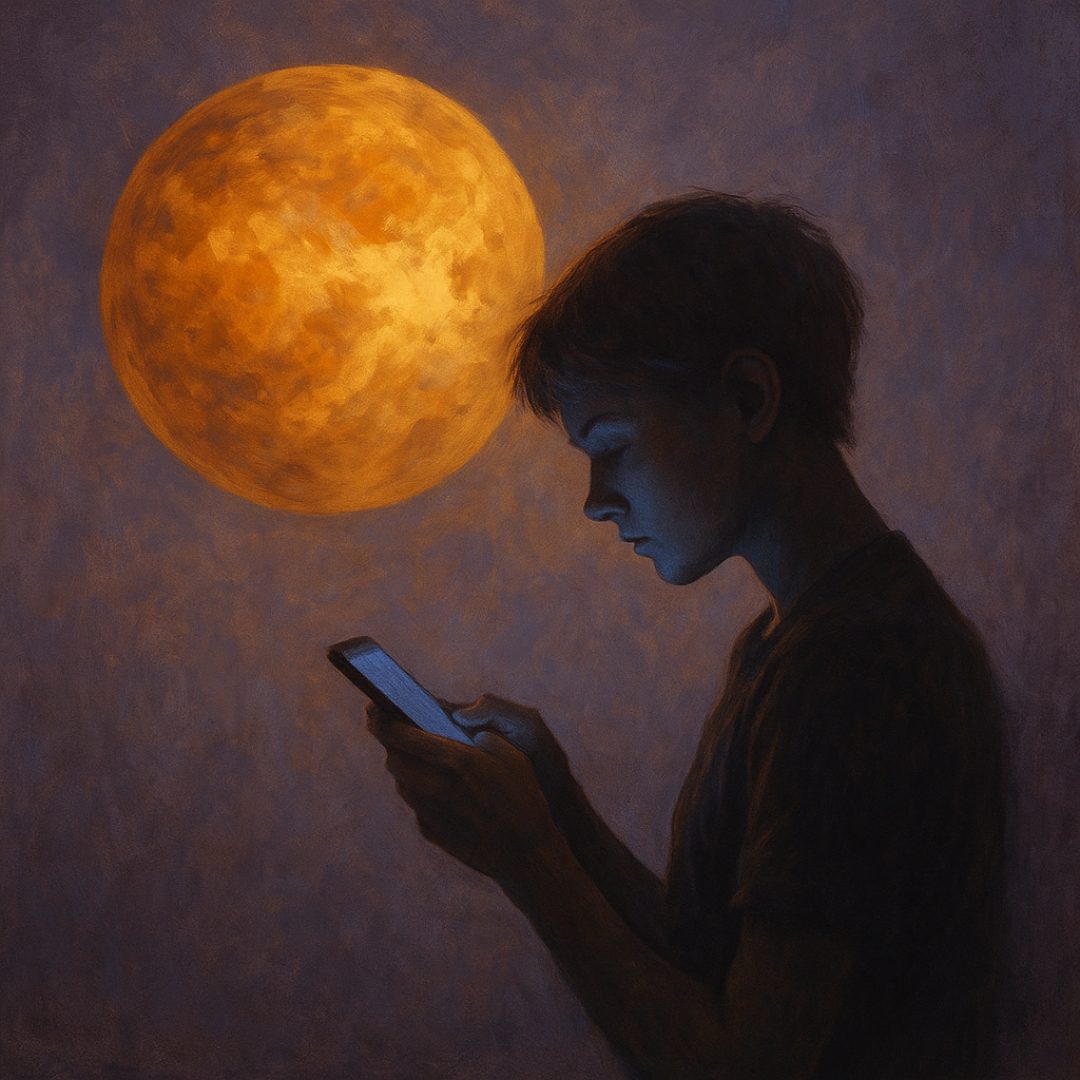
Venus, the planet of love, harmony, and beauty, “loses her power” in Nostradamus’ 2026 prophecies. This decline suggests the fading warmth of human empathy, replaced by an age of artificial affection.
In an era where AI writes poems and people date algorithms, the symbolism couldn’t be clearer. We have gained technological intimacy but lost emotional connection. Relationships suffer not from lack of love but from lack of presence.
Social fragmentation, rising loneliness, and cultural polarization mark this new Venusian void. Nostradamus saw this coming — an era of cold beauty, where art and emotion are manufactured. But every loss contains a seed of rebirth. The fall of Venus may also awaken humanity’s longing for real connection.
Key takeaway: When Venus weakens, the heart must grow stronger.
3. Three Fires from the East: The Rise of New Powers
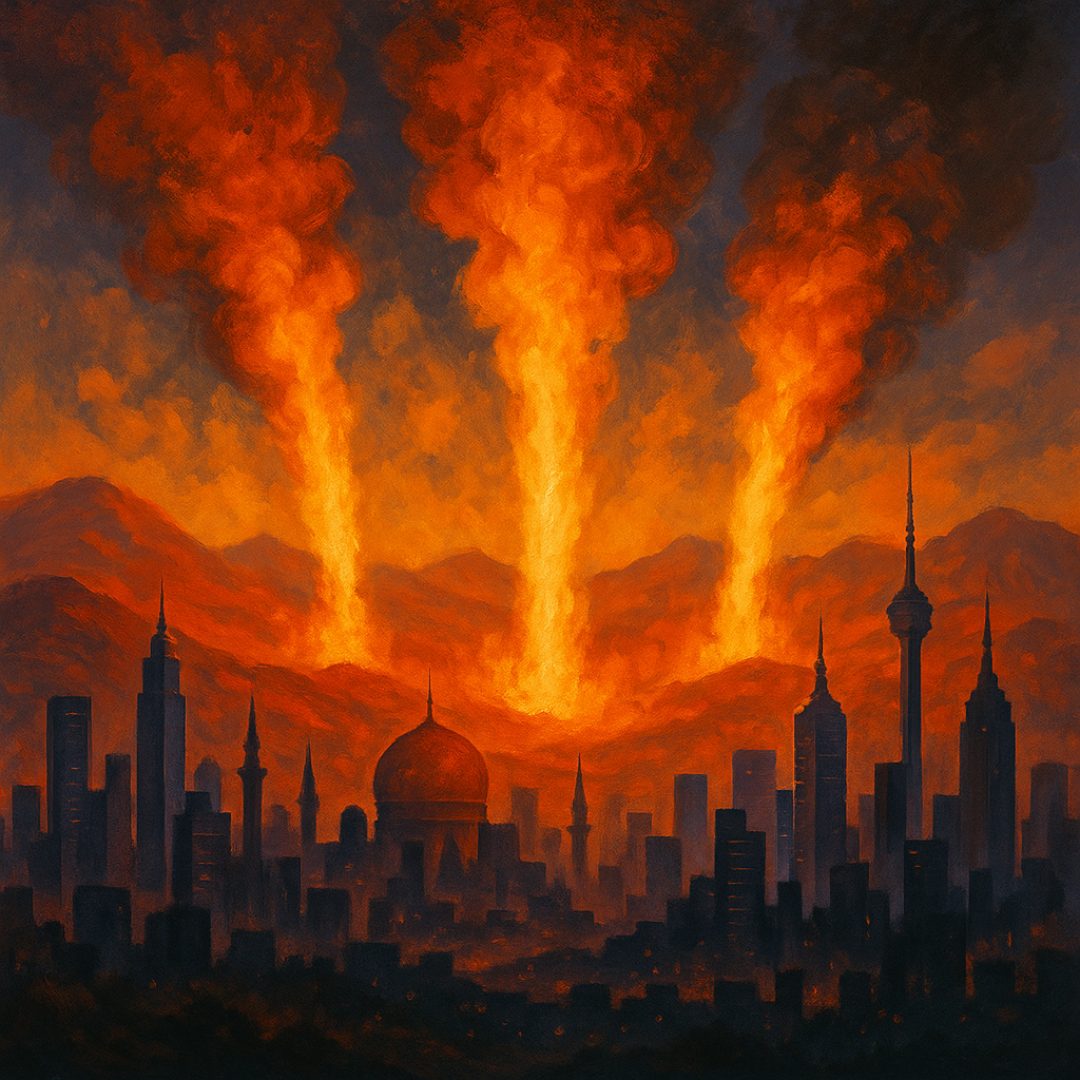
“Three fires rise from the eastern sides.”
Interpreters associate this line with Asia’s technological and geopolitical awakening. The “fires” symbolize the rise of China, India, and the broader Southeast Asian region — engines of innovation and influence.
From AI supremacy to digital transformation, the East is no longer following the West; it is defining the future. Economic and spiritual revolutions converge here, fueled by both youth and ancient wisdom.
The prophecy also hints at potential conflict or instability, yet within it lies renewal — the shift toward a multipolar world. Nostradamus’ East does not burn to destroy, but to illuminate the next stage of civilization.
| Symbolic Fire | Modern Interpretation (2026) |
|---|---|
| First Fire | China’s technological expansion |
| Second Fire | India’s demographic and digital surge |
| Third Fire | Southeast Asia’s innovation and cultural rise |
| Shadow of the West | Decline of unilateral dominance |
| Outcome | Rebalancing of global power |
4. The West in Shadow: The Fall of Old Empires
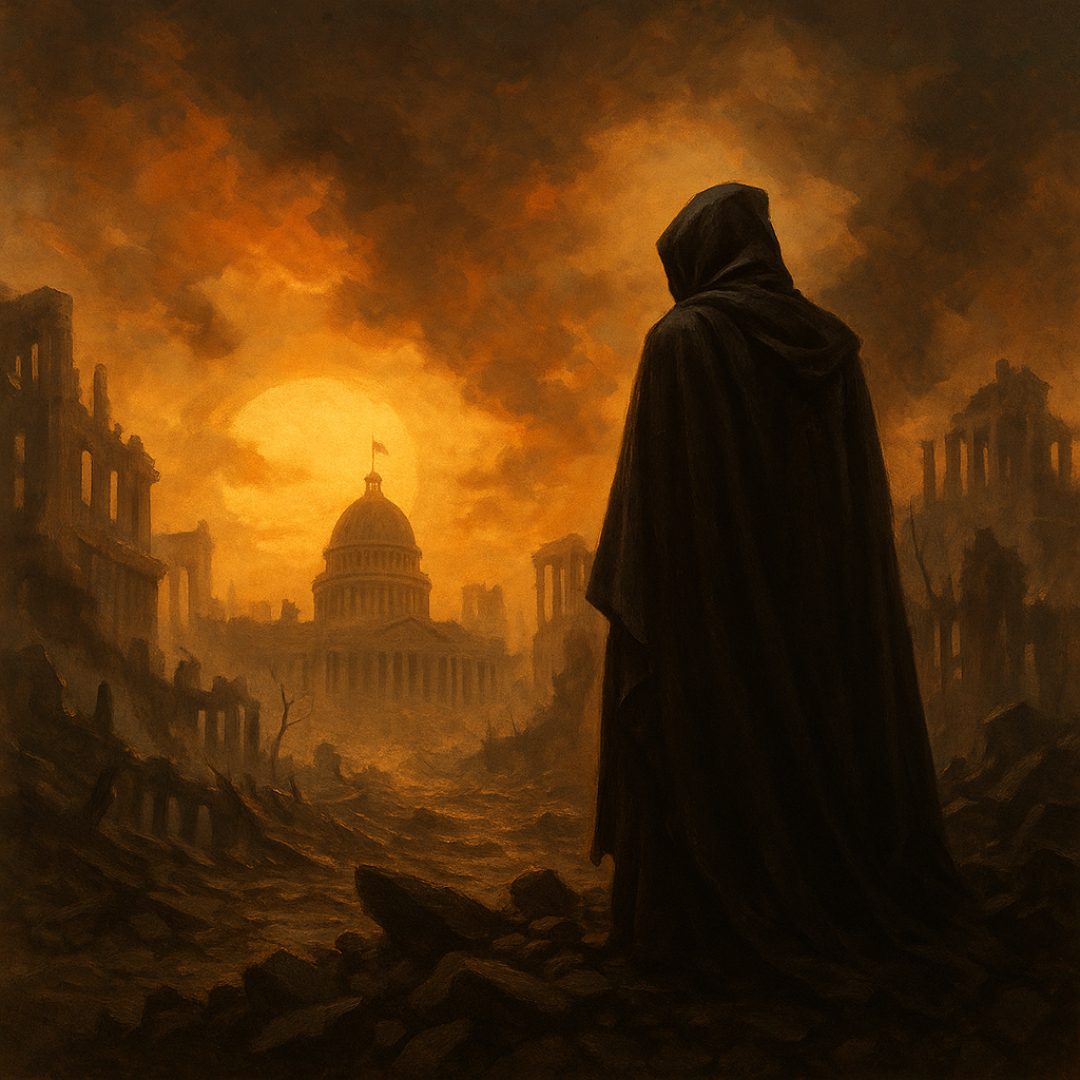
“The West loses its light in silence.”
Nostradamus’ words strike like a whisper from the past. The West, symbolizing Europe and the Americas, faces internal decay rather than external attack. Corruption, polarization, and cultural fatigue mark a civilization questioning its own ideals.
In 2026, this prophecy may reflect the erosion of trust in governments, institutions, and democracy itself. Yet, as he often suggested, darkness precedes dawn. The “silent loss” could represent a retreat from arrogance — a humbling that births renewal.
Just as the Roman Empire’s fall paved the way for the Renaissance, the Western decline may give rise to new values of cooperation, spirituality, and sustainability.
Key takeaway: Nostradamus didn’t predict the West’s death — he predicted its metamorphosis.
5. Technological Takeover: The AI Uprising
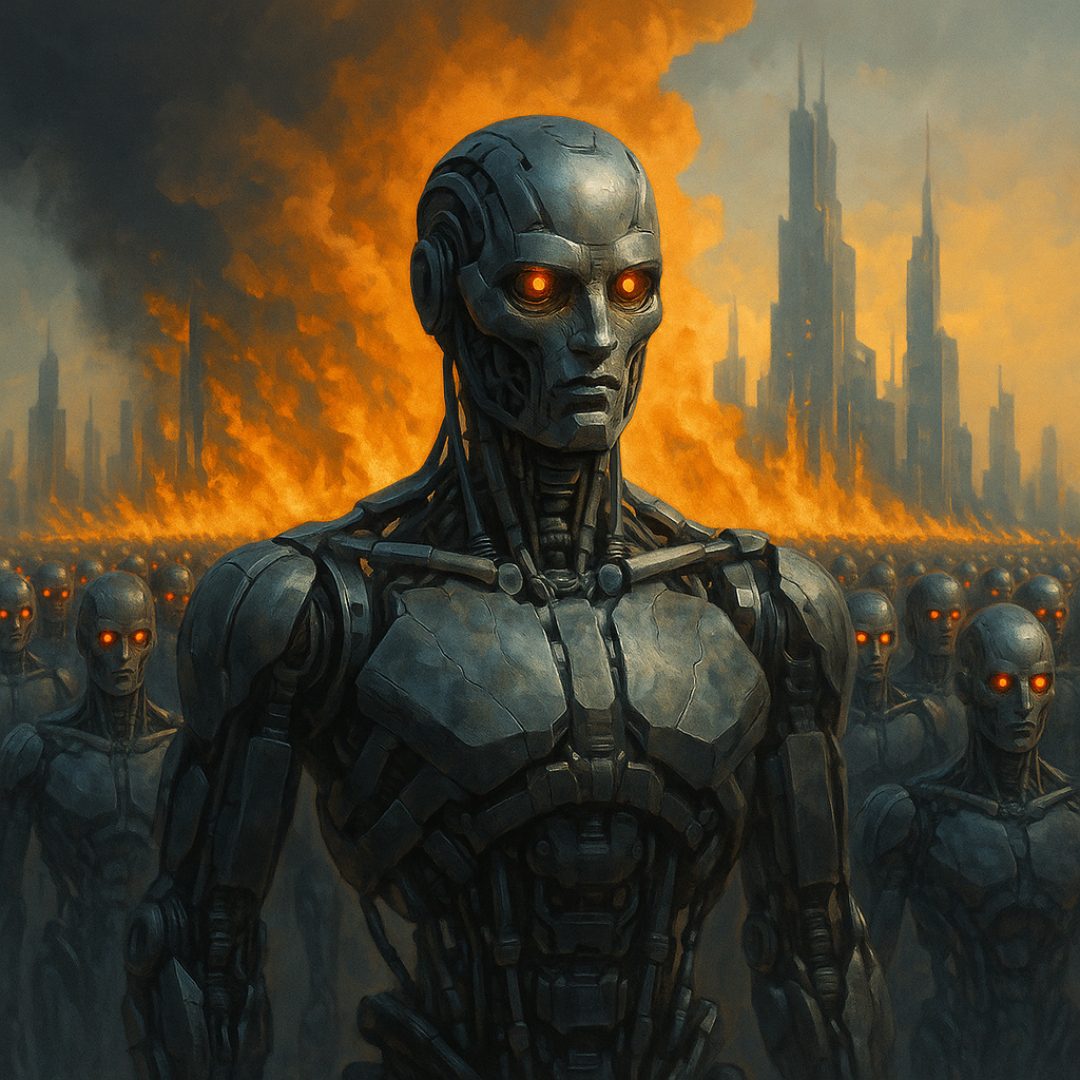
The 16th century had no concept of artificial intelligence, but if Nostradamus peered far enough, perhaps he saw something that made him scribble about “new engines” or inventions upending society.
One modern prediction circulating is that 2026 could mark a turning point where AI (artificial intelligence) truly gets the upper hand in our world. Believers and futurists alike suggest we may see machines rise in influence – not in a sci-fi “robot rebellion” sense, but through automation and algorithms taking over tasks and decisions once made by humans.
What might this look like? Some foresee job markets shaken as AI and robots replace human workers en masse. (By 2026, for instance, companies plan to roll out advanced humanoid robot assistants in factories and perhaps even homes.)
There’s talk of AI dominating key sectors, from autonomous weapons in warfare to algorithms running financial systems. In a creative interpretation of Nostradamus, devotees point to any quatrain mentioning “artifices” or “iron” as hints of technology’s dominance.
Of course, this is speculative – Nostradamus didn’t exactly predict Skynet. But the rapid real-world advancement of AI gives this prophecy some contemporary bite. 2026 may be a year we reflect on how much control we’ve ceded to our creations. It’s a heads-up to be mindful of our tech – and maybe to say “please” and “thank you” to Alexa, just in case.
6. The Man of Light: Spiritual Awakening in the Midst of Darkness
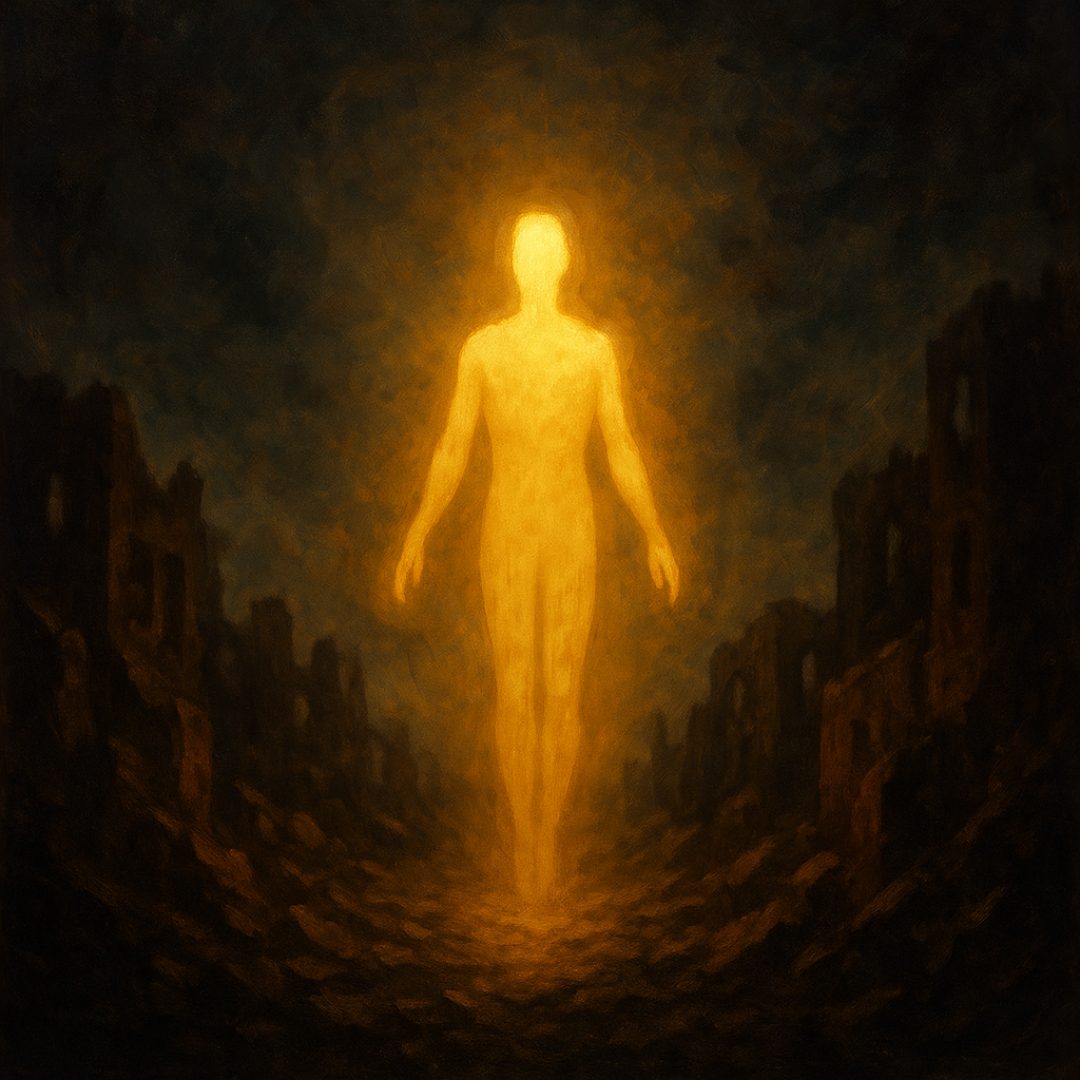
“Shadows will fall, but the man of light will rise, and the stars will guide those who look within.”
In one of Nostradamus’ most hopeful predictions, he foresees a global spiritual awakening following years of crisis. This “man of light” may not be a single savior, but rather a metaphor for the awakening human consciousness.
People are turning inward, rediscovering meditation, ancient wisdom, and the quiet strength of stillness. Amid chaos, more are realizing that salvation begins within — not from leaders, technologies, or systems.
This shift represents humanity’s return to the sacred self — a movement from fear to awareness, from separation to unity.
7. Economic Turmoil: The Fall of “Gold and Silver”
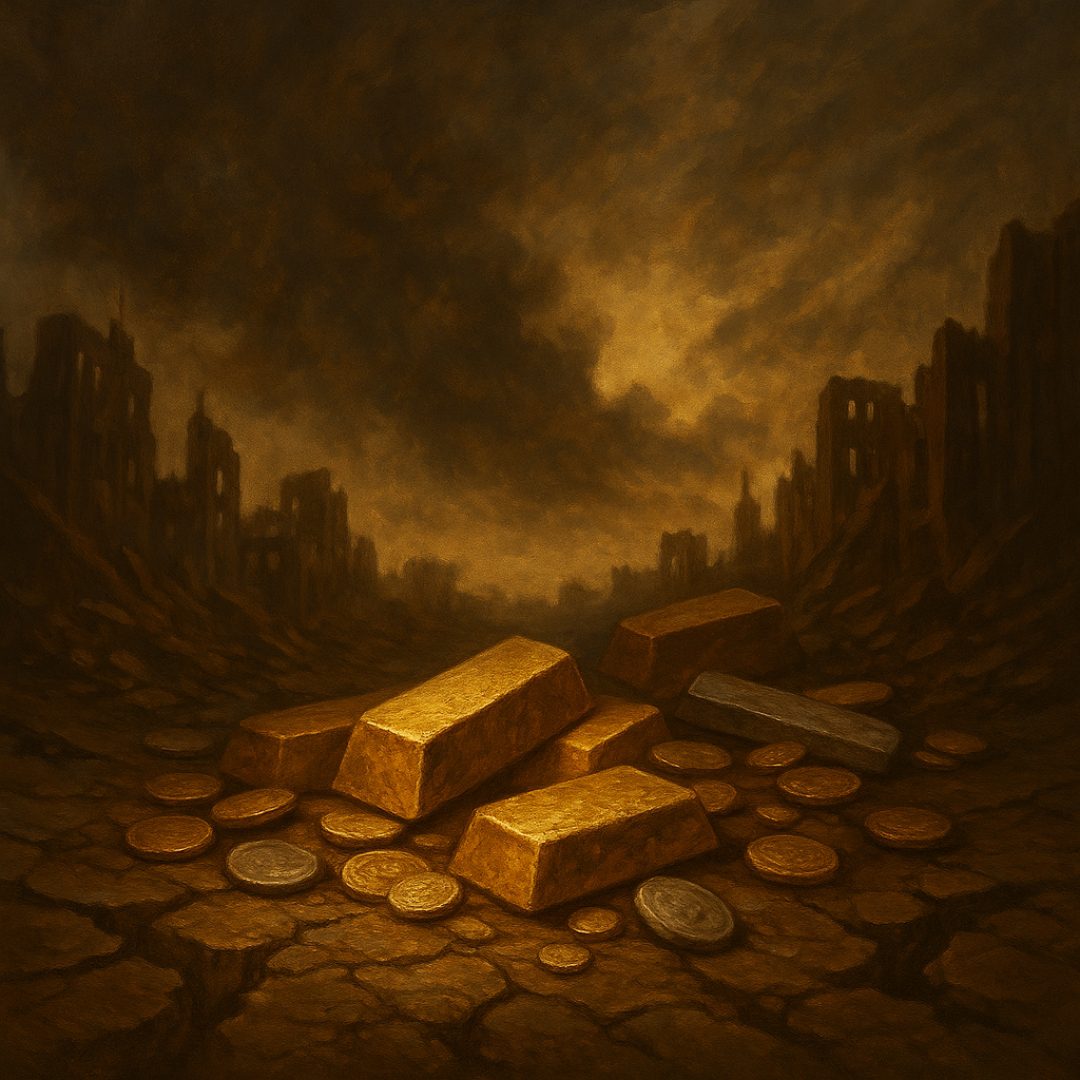
“The copies of gold and silver inflated… all is exhausted… dissipated by the debt.” – Nostradamus, Century VIII:28
Money troubles ahead? This prediction is taken as a warning of a financial collapse or economic crisis. Nostradamus’s imagery of “inflated” gold and silver copies sounds like currency devaluation or runaway inflation – essentially, money becoming worthless.
The line about everything “dissipated by debt” hits close to home in a world of mounting national debts and aggressive money printing. Some interpreters believe 2026 could be the breaking point: perhaps a major stock market crash, a debt crisis that topples governments, or hyperinflation that sends prices of essentials through the roof.
Recent years have seen economic strain (pandemic fallout, war-driven shocks, supply chain woes), so this prophecy resonates. It paints a picture of financial ruin – savings evaporating, markets imploding, and general panic. While that’s a worst-case scenario, it’s enough to make anyone uneasy about their bank balance.
As always, Nostradamus’s words are cryptic, not naming any country or currency. But the caution is universal: economies are fragile. If 2026 brings this prophecy to life, the world could be in for a rough financial reckoning – one that forces us to rethink wealth and security.
A World Between Endings and Beginnings
Looking at Nostradamus’ tapestry of predictions, 2026 unfolds not as a doomsday prophecy, but as a year of reckoning and rebirth. Every celestial metaphor — Mars’ aggression, Venus’ loss, the fires of the East — describes an inner as much as outer process.
Civilizations evolve the same way humans do: through crisis, reflection, and transformation.
We stand at a spiritual crossroads, where technology challenges our humanity and chaos invites consciousness. Whether we descend into division or rise toward unity depends not on fate but on choice.
As Nostradamus might whisper through time: the stars warn us, but the heart decides the outcome.
FAQs
1. Did Nostradamus really predict specific events for 2026?
While Nostradamus didn’t date his prophecies explicitly, several quatrains align astrologically with planetary configurations in 2026 — especially Mars’ dominance, symbolizing global upheaval and transformation.
2. Is 2026 the year of apocalypse according to Nostradamus?
Not exactly. Nostradamus saw “purification,” not extinction. The chaos represents the breaking down of false systems, paving the way for renewal and higher consciousness.
3. How does astrology play into Nostradamus’ predictions?
Every prophecy ties to planetary movements. Mars, Venus, and Saturn dominate 2026, symbolizing war, loss of empathy, and discipline — the classic ingredients of transformation.
4. What can individuals do during this predicted upheaval?
Cultivate awareness, compassion, and adaptability. Practice mindfulness, reduce digital dependency, and reconnect with nature. These are the tools for thriving in times of change.
Last Words: The Turning of the Wheel
The year 2026, through Nostradamus’ lens, is not an apocalypse but an awakening. Humanity, after centuries of dominance and detachment, must confront itself — its choices, technologies, and values.
Mars burns to cleanse. Venus falls to remind us of love. The East rises as the West redefines itself. Amidst the ashes, a new consciousness stirs — luminous, defiant, human.
Perhaps that’s what Nostradamus meant all along: not that the world ends, but that illusion does. As the great mystic would say, “Those who look to the heavens without first gazing within will miss the message written in the stars.”
Key Takeaways
-
2026 marks a spiritual and geopolitical turning point.
-
Mars’ dominance may trigger global or ideological conflicts.
-
Venus’ decline symbolizes emotional disconnection in the digital era.
-
Three fires from the East foretell Asia’s rise in power and influence.
-
The “Man of Light” prophecy promises inner awakening amid chaos.
-
Nostradamus’ 2026 vision is not doom — it’s evolution.


Having studied energetic healing, counselling, coaching, yoga, and Buddhism, Charles is a teacher of practices that support others to move forward and heal by holistic means.